
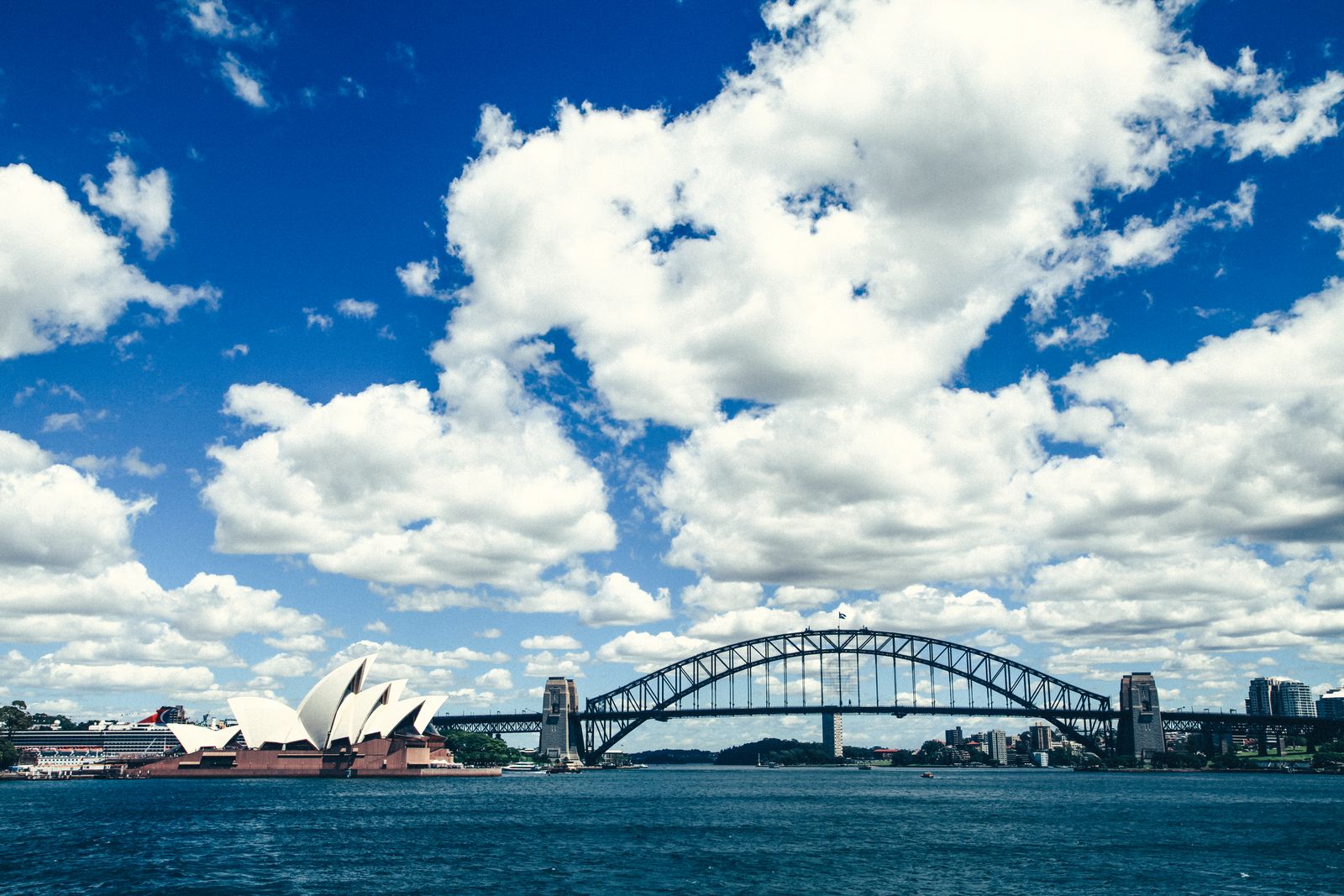
Working as a UI/UX Architect in Sydney, Australia: What You Actually Need to Know
Sydney is one of the world’s top cities for digital product work. The fintech sector is mature and growing, enterprise software is expanding rapidly, logistics and e-commerce platforms are investing heavily in digital experience, and the AI product wave has created demand for a new category of design-engineering hybrid roles that didn’t exist five years ago.
But moving to Sydney as a UI/UX Architect — especially from outside Australia — comes with specifics that job boards and LinkedIn posts don’t fully capture. This article is a direct account from my perspective as a UI/UX Architect based in Sydney, ACS-assessed, and working in the Australian market since 2026.
The Sydney Tech and Design Market in 2026
Sydney is Australia’s primary technology hub. The vast majority of senior digital product roles — particularly in fintech, enterprise SaaS, and AI — are concentrated in the Sydney CBD and surrounding inner suburbs (Surry Hills, Pyrmont, Ultimo, Darlinghurst).
Industries with strong UI/UX demand:
- Fintech and banking — ANZ, Commonwealth Bank, Westpac, Macquarie, and a dense ecosystem of fintech scale-ups. Heavy investment in digital experience, particularly mobile banking and payments UX.
- Enterprise SaaS — Australian operations of global platforms (Atlassian, Canva, Salesforce, ServiceNow) plus homegrown enterprise software companies.
- E-commerce and retail tech — Woolworths, Coles, and a growing cohort of D2C and marketplace platforms investing in conversion and personalisation.
- Logistics and supply chain — One of Australia’s fastest-growing technology sectors, with significant UX demand for operational interfaces, tracking systems, and driver/courier apps.
- Healthcare and GovTech — Substantial investment in digital transformation of health, benefits, and citizen services platforms.
- AI and emerging tech — A growing number of Australian AI product companies and global AI platforms establishing local teams.
Salary Benchmarks for UI/UX Architects in Sydney (2026)
Salaries in Sydney for senior UI/UX roles are competitive by global standards, and the Australian dollar has recovered well. These are realistic market ranges for 2026:
Mid-level UX Designer (3–5 years): $90,000 – $115,000 AUD
Senior UX Designer (5–8 years): $115,000 – $145,000 AUD
Lead UX Designer / UX Architect (8–12 years): $140,000 – $175,000 AUD
Head of Design / Principal UX (12+ years): $175,000 – $230,000+ AUD
Design-Engineering Hybrid (UX + front-end): $130,000 – $180,000 AUD
Note that these figures are base salary. Total packages including superannuation (11.5% employer contribution), bonuses, and equity (at startups) can add 15–25% to effective compensation.
For sponsored roles under Subclass 482, the salary must meet the Temporary Skilled Migration Income Threshold (TSMIT) — currently $73,150 AUD — as well as the market salary rate for the occupation, which for senior UI/UX roles significantly exceeds the TSMIT floor.
What Australian Employers Look for in a UI/UX Architect
Having gone through the Australian hiring process and built professional relationships in the Sydney design community, here’s what consistently differentiates candidates:
Portfolio depth over breadth
Australian employers want to see deep, documented case studies — not a gallery of polished final screens. The most valued portfolios show: the problem, the research and discovery process, the structural decisions made, the iterations, the outcomes. Process documentation is as important as visual quality.
Systems thinking, not just screens
Senior roles in Australia consistently emphasise design systems, information architecture, and cross-functional collaboration. The ability to make structural decisions — not just craft beautiful interfaces — is what separates mid-level from senior candidates in the local market.
Accessibility awareness
Australia has strong accessibility obligations under the Disability Discrimination Act (DDA) and WCAG compliance expectations are widespread in government, banking, and healthcare. Candidates who can speak credibly about accessibility at a design architecture level are valued.
Communication and presentation skills
The Australian workplace is collaborative and relatively flat in hierarchy. Designers who can present their work persuasively, facilitate workshops, and communicate with non-design stakeholders — without jargon — are consistently preferred.
Agile fluency
Most Sydney product teams work in Agile or hybrid Agile environments. Understanding sprint rhythms, working with product owners, participating in retrospectives, and fitting design work into sprint cadences is expected at senior level.
The Australian Design Community
Sydney has an active design community worth engaging with before and after arrival:
- General Assembly — design education and community events
- UX Australia — Australia’s primary UX conference (typically August/September)
- Dribbble and Behance meetups — Sydney-based design portfolio events
- Product Tank Sydney — regular product and UX meetups
- Ladies that UX Sydney — inclusive design community events
- Figma Community Sydney — growing since Figma’s Australian expansion
LinkedIn is the primary professional networking platform in Australia — more actively used for professional relationship-building than in many other markets. A strong, well-maintained LinkedIn profile with Australian connections and endorsements is more important for job hunting in Sydney than almost anywhere else I’ve worked.
The Visa Reality: Why Employer Sponsorship Matters
For UI/UX Architects arriving from overseas, the employment situation depends heavily on visa status:
On a working holiday or student visa: You can work, but employers cannot sponsor you under Subclass 482 without converting your visa first. Many employers are reluctant to invest in sponsorship for candidates already working on temporary visas with limited validity.
On a partner visa (subclass 820/801 or 309/100): Full work rights, no sponsorship needed. This is the simplest pathway for those with Australian partner visas.
On a bridging visa: Generally full work rights if attached to a substantive visa application. Confirm your specific conditions.
Requiring employer sponsorship: The most common situation for internationally trained UI/UX Architects. Employers who understand the sponsorship process — and the value of an ACS-assessed candidate — find it straightforward. Those unfamiliar with skilled migration may be hesitant due to perceived complexity and cost.
The key advantage of holding a current ACS Migration Skills Assessment is that it signals to Australian employers that the hard work has already been done. The assessment is the most time-consuming and document-intensive part of the sponsorship process — and a candidate who arrives with it already in hand removes the primary obstacle.
Cost of Living Context
Sydney is an expensive city. For context:
- Rent: A one-bedroom apartment in the inner suburbs (Surry Hills, Pyrmont, Ultimo) typically costs $2,200–$3,000 AUD per month
- Transport: Monthly Opal card (public transport) approximately $200–$250 AUD
- Healthcare: Medicare covers most GP and hospital costs for permanent residents and eligible visa holders; private health insurance is recommended for sponsored workers
- Tax: Australian income tax on $140,000 AUD is approximately $38,000 (effective rate ~27%), noting superannuation is paid separately by the employer
At senior UI/UX Architect salaries, Sydney is financially comfortable rather than luxurious — particularly before permanent residence is established and the costs of the migration process itself are factored in.
Closing Thoughts
Sydney is one of the best cities in the world to practice UI/UX Architecture at a senior level. The market is sophisticated, the industries are varied and interesting, the design community is welcoming, and the quality of life — beaches, climate, cultural diversity — is exceptional.
The path to getting here requires navigating the Australian skilled migration system, which has real complexity but a clear structure. For UI/UX professionals with the right experience, an ACS-assessed background, and English proficiency, the pathway is well-defined.
I’m a UI/UX Architect based in Ultimo, Sydney — ACS-assessed (Ref: ACS-0047448) across ANZSCO 261211, 261312, and 261313, open to employer sponsorship under Visa 482, 186, and 494. If you’re an Australian employer looking for senior UI/UX talent, let’s talk.
Related reading: Visa 482 for UI/UX Designers in Australia: What Employers Need to Know · ANZSCO 261211 Multimedia Specialist: ACS Assessment Guide for UI/UX Professionals