Hyper-Personalisation and Adaptive Interfaces: The 2026 UX Standard
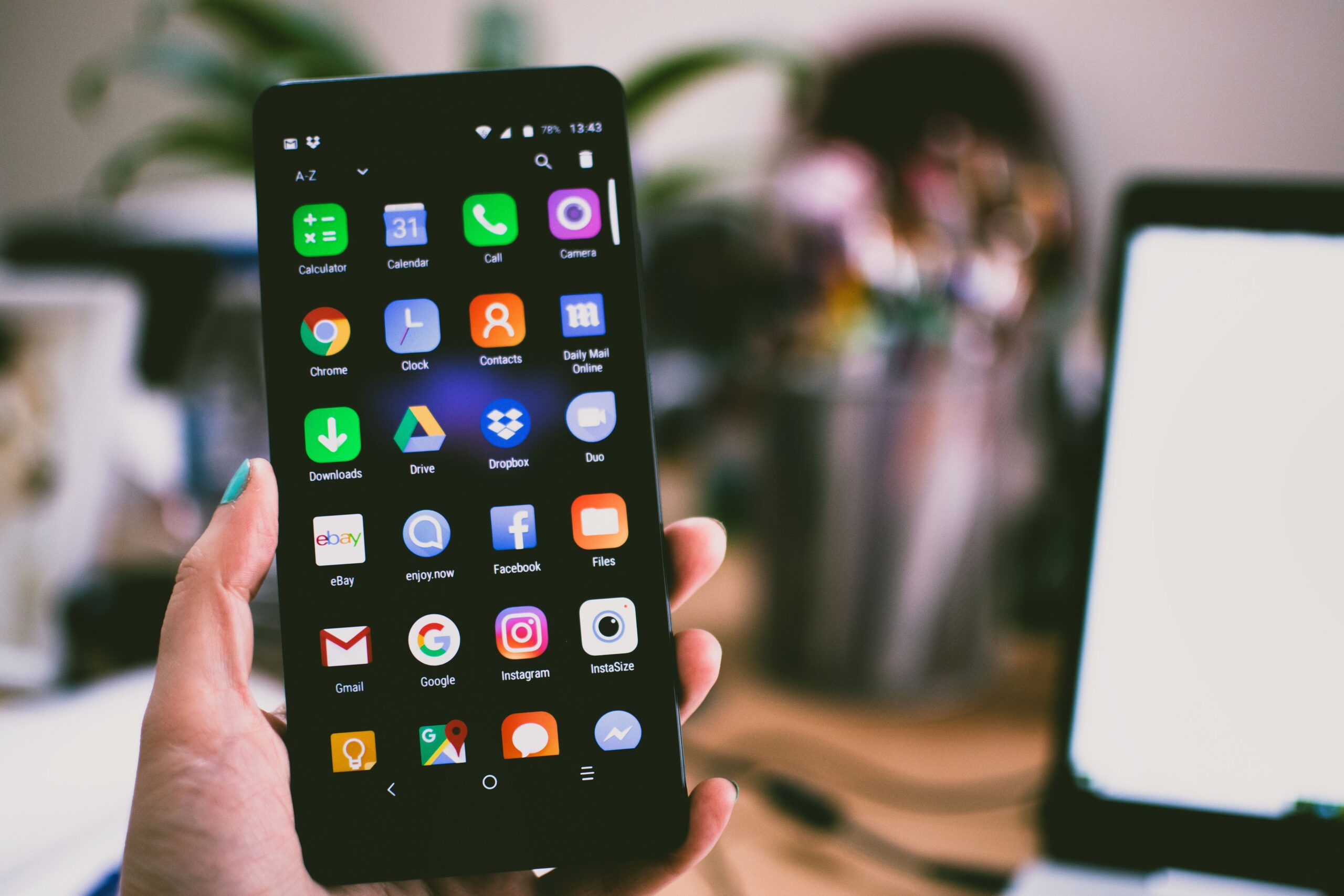
Person holding a smartphone with colourful app icons representing hyper-personalised adaptive user interfaces

71 percent of users expect personalised experiences and 76 percent are frustrated without them. Learn how adaptive, context-aware interfaces work, where the privacy line sits, and a practical model for shipping personalisation that helps instead of creeps.

13.6 Million Australians Now Use AI: What the Numbers Mean (2026)

Wooden letter tiles spelling AI, representing mainstream AI adoption among millions of Australians

13.6 million Australians (58% of those aged 14+) now use AI tools, according to Roy Morgan. The full breakdown by platform u2014 ChatGPT, Gemini, Copilot, Canva Magic Studio, Claude u2014 the age patterns, the trust paradox, and what mainstream AI adoption means for businesses and designers.

AI-Readiness: The Common Thread Across Sydney’s SEO, UX & AI Engineering Trends

Abstract 3D visualisation of AI's role in society, representing AI-readiness across disciplines

AI-readiness is the single thread connecting Sydney’s biggest 2026 trends in AI engineering, SEO, digital marketing, and UI/UX. Why using AI as infrastructure — while keeping strategy and experience genuinely human — is the real competitive differentiator.

AI-Powered Personalisation & First-Party Data: Sydney Digital Marketing Trends 2026

Laptop with marketing and financial charts on a desk, representing AI-powered personalisation and first-party data

Rising PPC costs are pushing Sydney marketers toward AI-powered personalisation, first-party data systems, authentic short-form video, and social commerce. The four digital marketing trends defining 2026 and the strategic logic connecting them.