Hyper-Personalisation and Adaptive Interfaces: The 2026 UX Standard
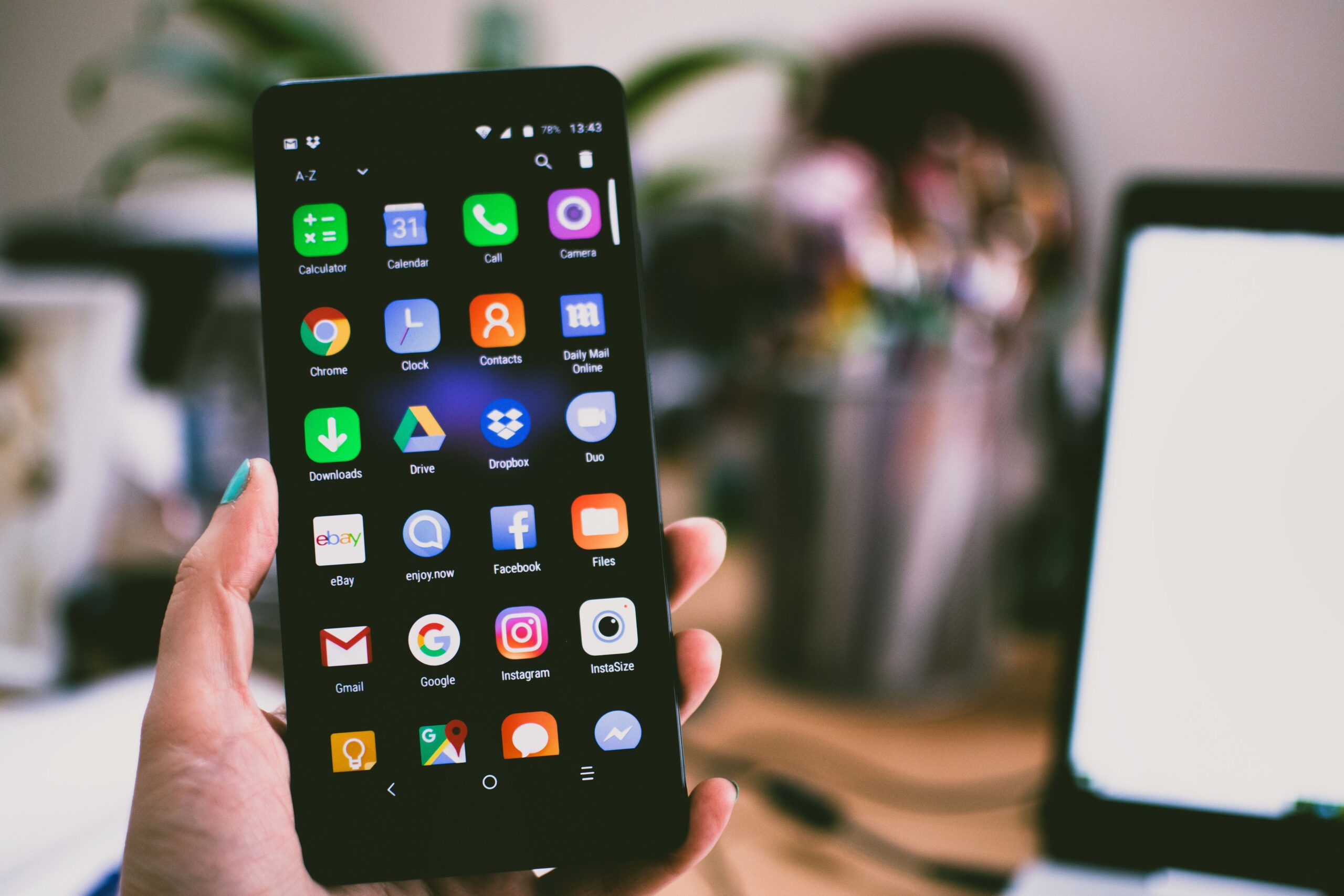
Person holding a smartphone with colourful app icons representing hyper-personalised adaptive user interfaces

71 percent of users expect personalised experiences and 76 percent are frustrated without them. Learn how adaptive, context-aware interfaces work, where the privacy line sits, and a practical model for shipping personalisation that helps instead of creeps.


UX Beyond the Screen, Part 2: Who Designs the Audience Experience — and Who Actually Decides?

Indoor concert audience facing a brightly lit stage, illustrating the divide between the artistic team and the rest of the event journey

In live events the audience experience is designed by a coalition of partial owners — artists, producers, venues, ticketing vendors, marketers, authorities — and nobody owns the whole journey. Part 2 follows the risk and the money.

UX Beyond the Screen, Part 1: Does Anyone Actually Design the Audience Experience?

Energetic concert crowd with hands raised in front of bright stage lights, representing the live-event audience experience

How much is UX really considered in performing arts, festivals and sports? Part 1 maps the academic vocabulary of live-event experience: servicescape, festivalscape, sportscape, eventscape and experiencescape.

Customer Experience Management for E-commerce: An Evidence-Based Guide

Woman shopping online on a tablet while holding a credit card, representing customer experience in e-commerce

Customer experience explains 55% of purchase intention and 56% of re-visit intention. An evidence-based guide to customer experience management for e-commerce — where to invest, why the journey extends beyond checkout, and the purchase-retention flywheel.

What Research Says About E-commerce UX: Interface, Trust & the Security Surprise

Person shopping online on a laptop while holding a credit card, representing e-commerce interface and trust

My published research found interface quality matters nearly twice as much for repeat visits as for first purchases — and security, while driving first purchases, had no significant effect on returning at all. What the regression data means for e-commerce UX design.