UX Beyond the Screen, Part 3: Measuring the Crowd — How AI Is Giving Live Events Telemetry

Large night-time festival crowd viewed as a dense mass, evoking crowd analytics and audience measurement

For the first time, AI gives live events real telemetry: computer vision crowd analytics, emotion detection and real-time sentiment. Part 3 surveys the AI measurement stack — and the privacy and metric-capture caveats it demands.

Will AI Replace UX Designers? What the Research Actually Shows

Colourful front-end code on a screen, illustrating AI's growing role in UX and design work

Will AI replace UX designers? The peer-reviewed evidence gives a more precise answer than the headlines. What the Science productivity study, the Harvard/BCG jagged frontier experiment, and NN/g’s State of UX 2026 actually show about which parts of UX work are exposed and which are not.

What Is a UI/UX Designer? Separate Roles, AI’s Impact & New Job Titles (2026)

Professional in a well-lit modern office with a thoughtful expression, representing the UI/UX designer role

What is a UI/UX designer, and are UI and UX really one role? A clear breakdown of the difference, whether mid-to-large companies should separate them, how AI tools are reshaping both disciplines, and the new design job titles emerging in 2026.

Real-World Use Cases for UI/UX Design in Startups: Success Stories from Sydney

Sydney Opera House and harbour cityscape, representing UI/UX design success stories in Sydney startups

Real patterns of UI/UX success inside Sydney startups — fintech trust design, early design systems in B2B SaaS, and UX as the real differentiator in AI products. Strategies, measurable growth impact, and the lessons worth applying to your own startup.

AI Tools in UI/UX Design: A Practical Guide for 2026

Abstract colourful visualisation of artificial intelligence, representing AI tools in UI/UX design

AI tools are reshaping UI/UX design workflows — but not in the way the headlines suggest. A practical breakdown of where AI genuinely helps (research synthesis, generative wireframing, accessibility audits), where it doesn’t (strategy, taste, stakeholder management), and the skills that matter more as a result.

Designing for AI Agents: UX Principles for Human-AI Interfaces (2026)

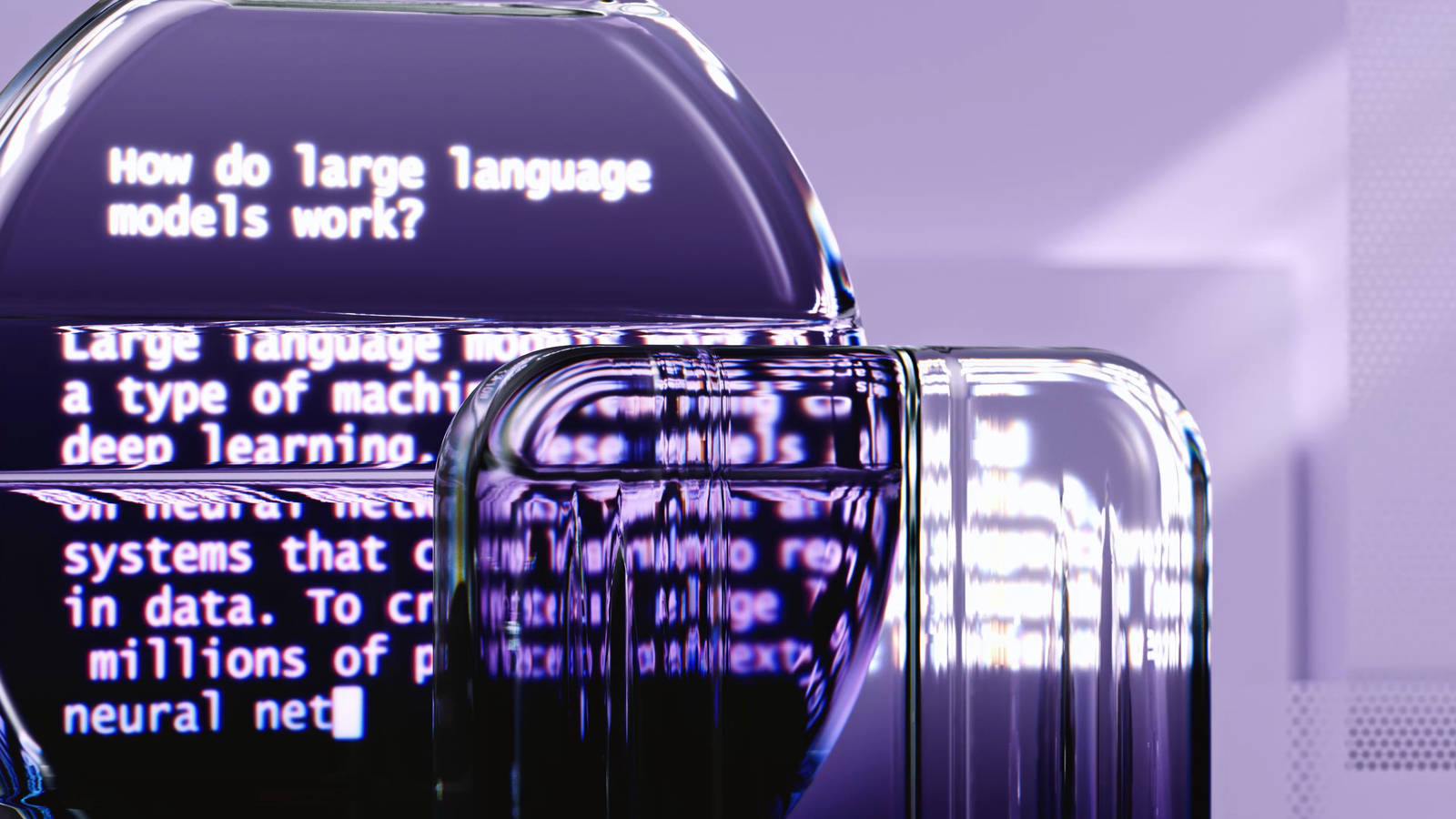
Abstract illustration of large language models, representing interfaces designed for AI agents

Designing interfaces that serve both human operators and autonomous AI agents is the hardest UX problem I’ve worked on. Four principles — legibility, guardrails, calibrated trust, and the interface as control plane — plus what the EU AI Act now requires, drawn from real work at Validera.